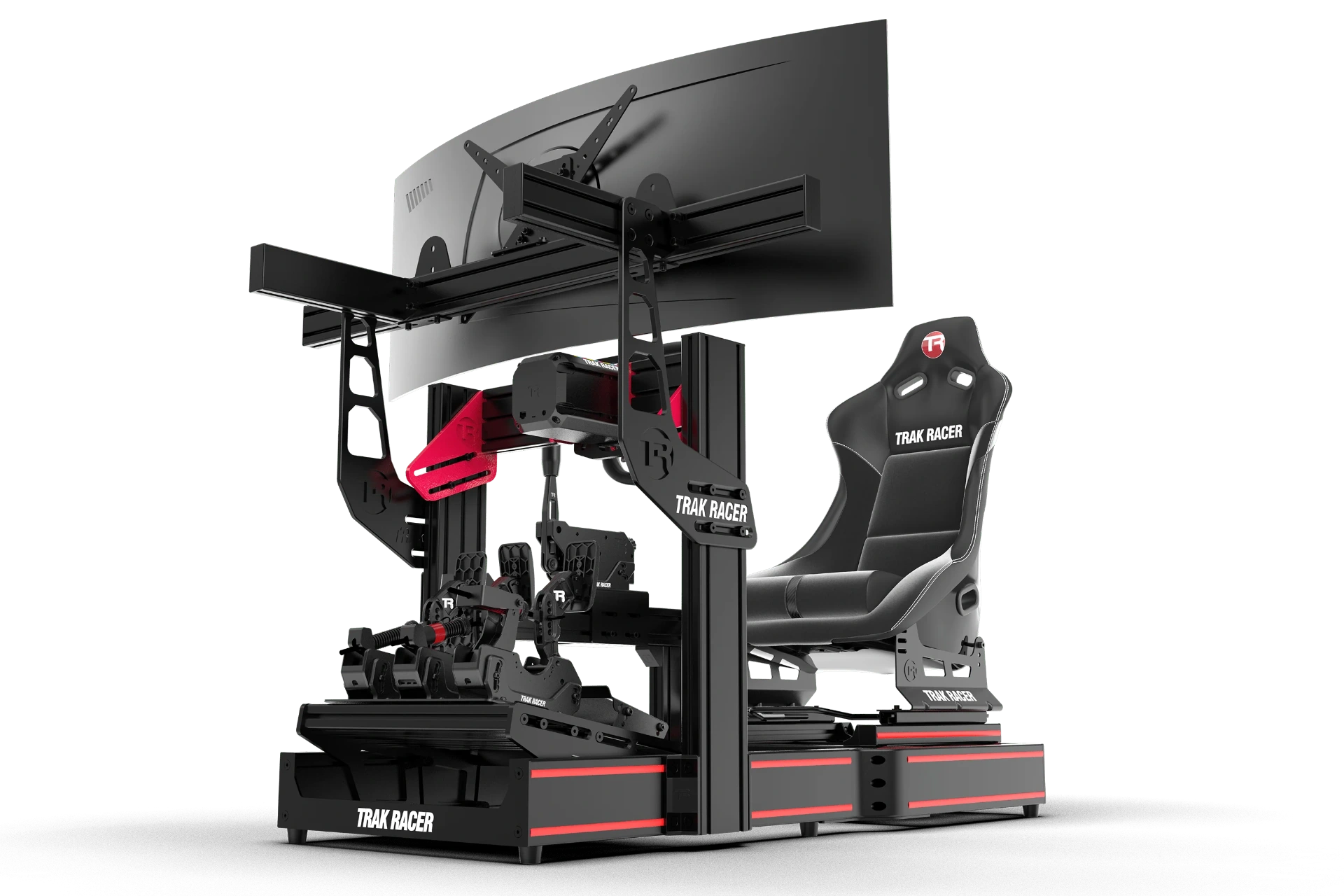
The original idea was to build four matching simulator rigs. In reality, a mixed-build approach is more practical, more honest and more useful for a bootstrapped project.
Motorsport has always been built around resourcefulness. Teams use what they have, improve what they can, repair what is worth saving and keep moving forward. That same mindset suits this appeal perfectly.
A donated gaming PC, an older wheelbase, a spare display, a pedal set, a cockpit frame, a headset, a graphics card, software licences or even a box of useful cables can all play a part. Some items may be used directly in the fleet. Some may become spares. Some may be upgraded. Some may be sold to help fund missing parts.
The goal is not perfection on day one. The goal is progress.
Each simulator station can have its own role. One rig may become the stronger public event station. Another may be better suited to training. Another may start as a simple engagement rig and improve over time. The important thing is that every rig is safe, tested, usable and genuinely useful.
This approach makes it easier for individuals, sim racers, companies, suppliers and supporters to contribute. They do not need to provide a complete system or a perfect matching component. A single useful item can still move the build forward.
A mixed simulator fleet also creates a stronger story. Each rig can develop its own character, name, purpose and build history. Supporters can see how their contribution fits into the wider project, whether it helped complete a rig, close a gap, create a spare, support transport or raise money through resale.
This is a practical motorsport project. It is not a luxury hardware build. It is about turning available support into a fleet that Mission Motorsport can use for events, engagement, training, fundraising and community activity.
The fleet can start small, improve steadily and grow as the community gets behind it.